Repainting a house with lead paint is safe when it is handled by a certified, lead-safe crew, not a DIY sander. Homes built before 1978 may contain it, and the real danger is the dust created when old paint is disturbed. Confirm it with testing first, then let a certified pro do the prep the right way.
Buying an older home in Milford comes with charm, character, and one question new owners often overlook: what is under all that paint? If the house predates 1978, the honest answer is that some of those layers could be lead paint. That matters most before you repaint, because how the prep is done makes all the difference.
The good news is that this is a manageable, well-understood issue. It is exactly why safe repainting starts with RRP lead-safe painting by a certified crew.
This guide walks Milford homeowners through what lead paint really means and how a safe repaint actually works.
Pre-1978 Homes in Milford and Lead Paint: What to Know
Let us set the stage without the scare tactics. Lead-based paint was common for decades because it was durable, until it was banned for residential use in 1978. That history is why an older Milford CT home deserves a closer look before any renovation.
Here is the reassuring part: intact, well-maintained paint is generally low-risk. The problem starts when that paint deteriorates or gets disturbed. Understanding the difference is the first step in protecting your family without panicking.
Why the 1978 Cutoff Matters
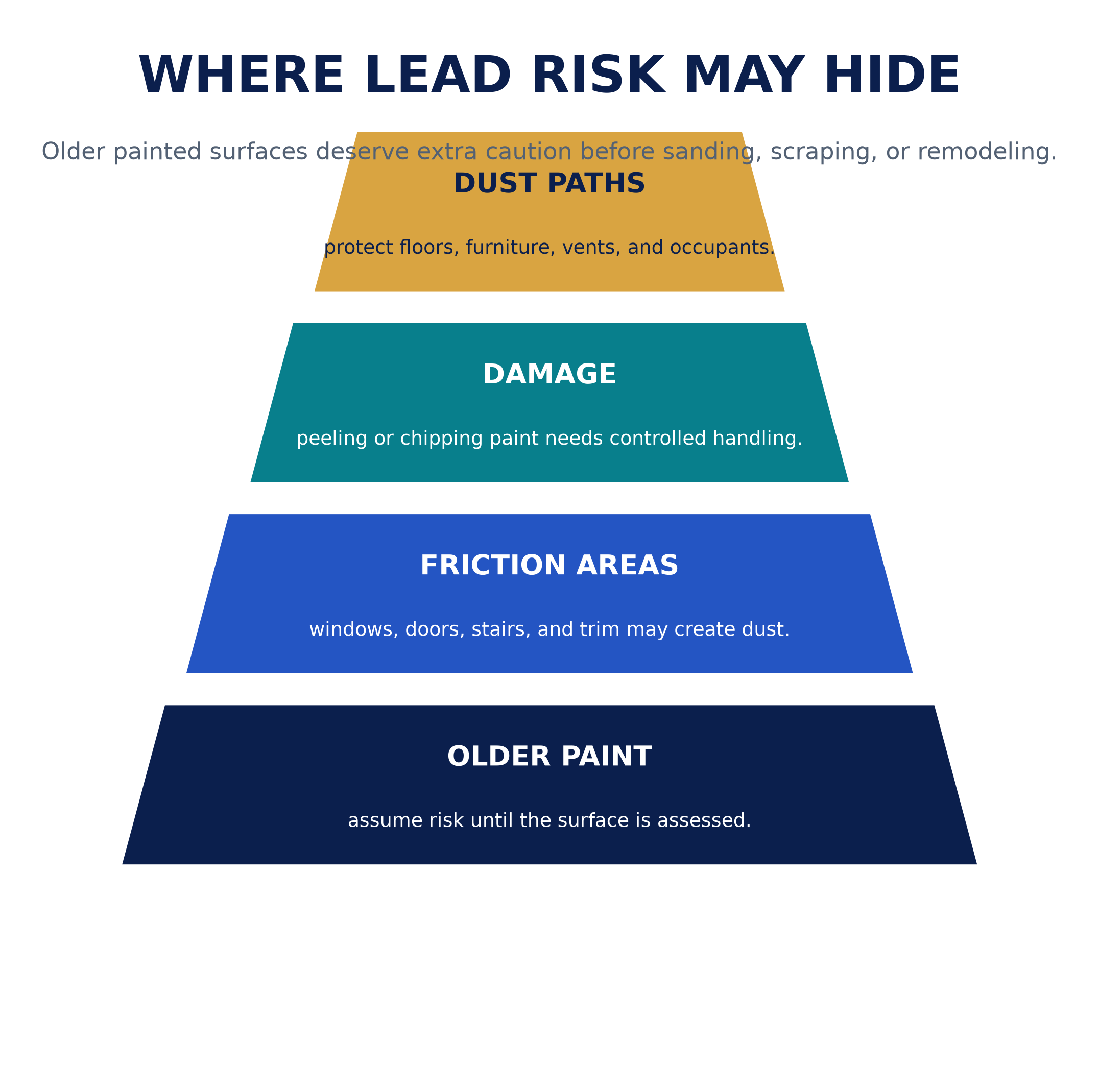
The year 1978 is the line because that is when lead was banned from house paint in the United States. Homes built before 1978 may still have original lead layers buried under newer coats, often on trim, doors, and windows. The older the home, the higher the odds.
That makes age your first clue. Much of the older housing stock across Milford and the wider shoreline predates the ban, so many local homes fall into the higher-likelihood group. It does not mean every old house is hazardous, only that it is worth confirming.
If you do not know your home’s exact age, the safe move is to assume lead could be present until testing says otherwise. That assumption costs nothing and guides how the work should be done.
The Real Health Risks of Lead Paint
The health risks of lead are real, which is why accuracy matters more than alarm here. Lead is a toxin, and the concern is exposure over time, not simply having it sealed under good paint. Context is everything.
The people most at risk are young children and pregnant women. Lead exposure and children is the central worry, since kids under six absorb lead more easily and often put hands and objects in their mouths. Even small amounts can affect development.
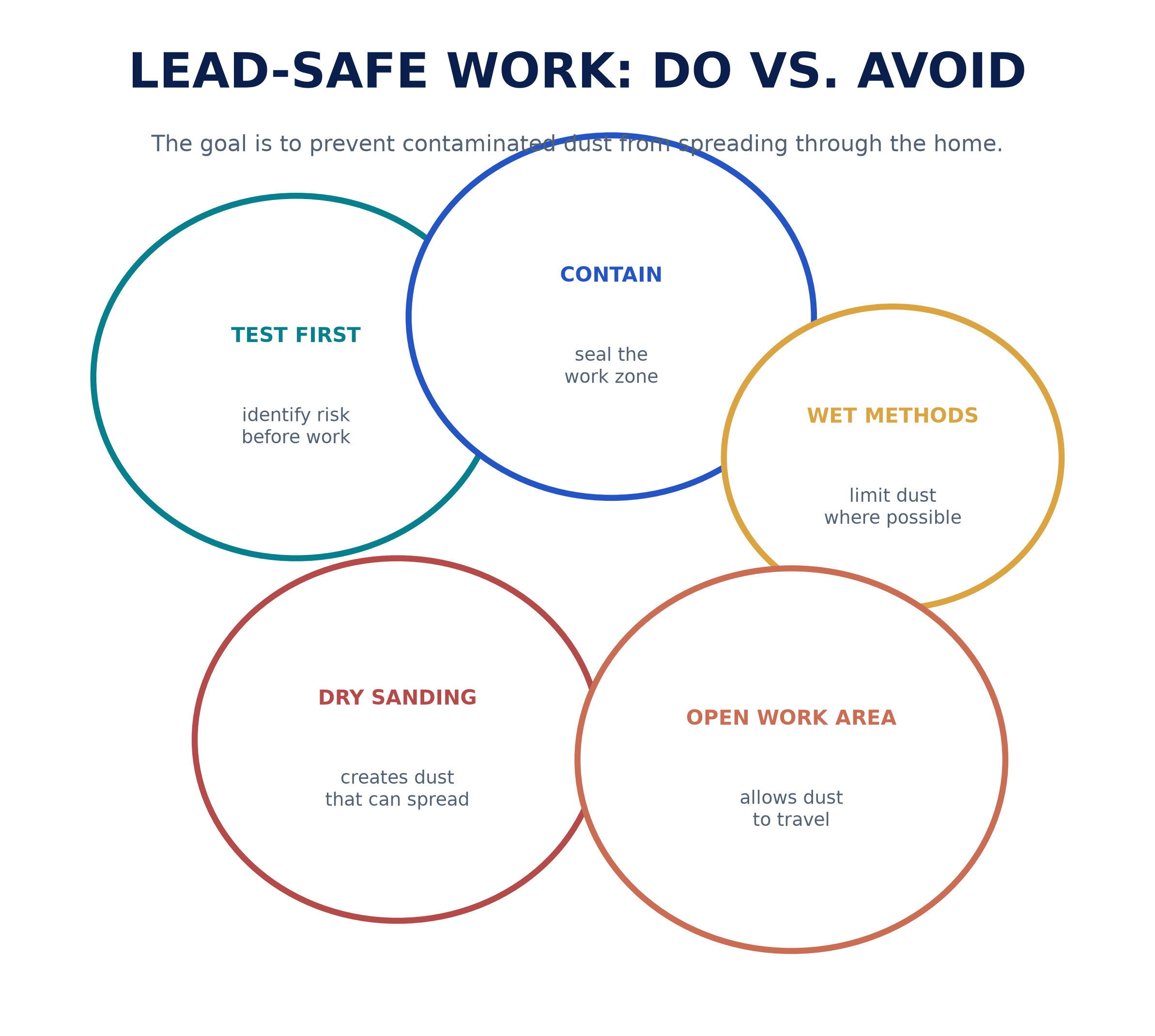
Almost all of that exposure traces back to one thing. Lead dust and paint chips, created when old paint is sanded, scraped, or left to crumble, are the main pathways into a home. Control the dust and you control the risk.
How to Tell If Your Home Has Lead Paint
You cannot tell by looking, so guessing is not a strategy. Here is how to actually find out.
- Assume the possibility if the home was built before 1978, and treat it that way until proven otherwise.
- Get professional lead paint testing, which is far more reliable than DIY swab kits that can give false negatives.
- Consider a formal lead risk assessment, which pinpoints where hazards exist and how serious they are.
- Pay special attention to any deteriorating or peeling paint, especially on windows, doors, and trim.
Testing turns a worry into a plan. Once you know what you are dealing with, the right approach becomes obvious.
Can You Just Paint Over Lead Paint?
It is the most common question, and the answer is nuanced. You can paint over lead paint in some cases, and sealing sound old paint under fresh coats is a recognized approach called encapsulation. Done correctly, it keeps the lead locked in place.
But encapsulation is not just slapping on a new coat. The surface still has to be prepared safely, and that is where the danger lives. The one rule that matters most: no dry sanding or scraping of old paint, ever, because that is exactly what sends hazardous dust into the air.
Encapsulation also is not right for every surface. Paint that is already failing, or that rubs and wears, needs more than a topcoat. That is where a certified process comes in.
Safe Repainting: The EPA RRP Rule and Certified Firms
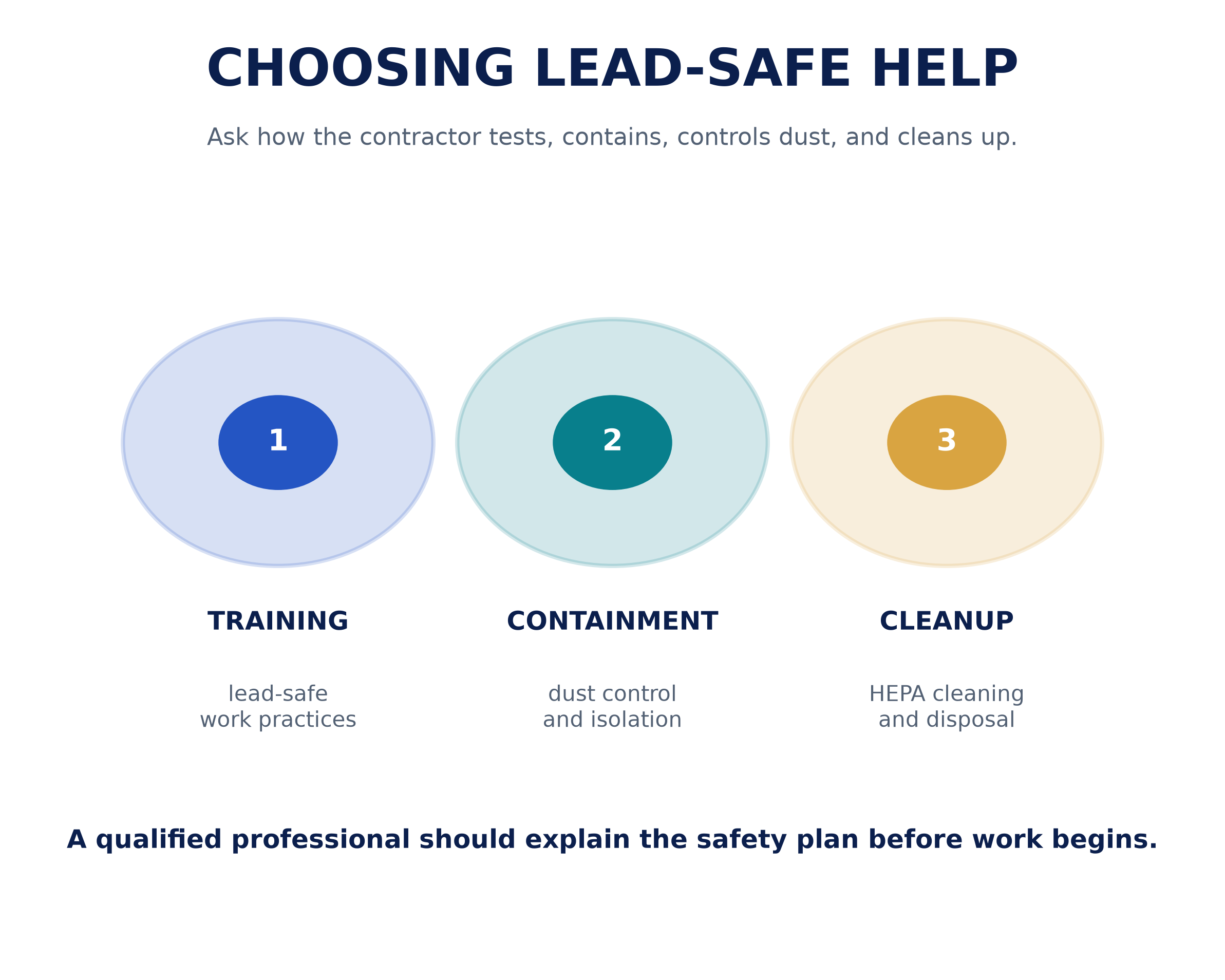
This is why certification exists. The EPA RRP rule requires contractors working on pre-1978 homes to follow specific lead-safe methods, and hiring an RRP certified firm is how you know those methods are actually used. It is the difference between a safe job and a contaminated home.
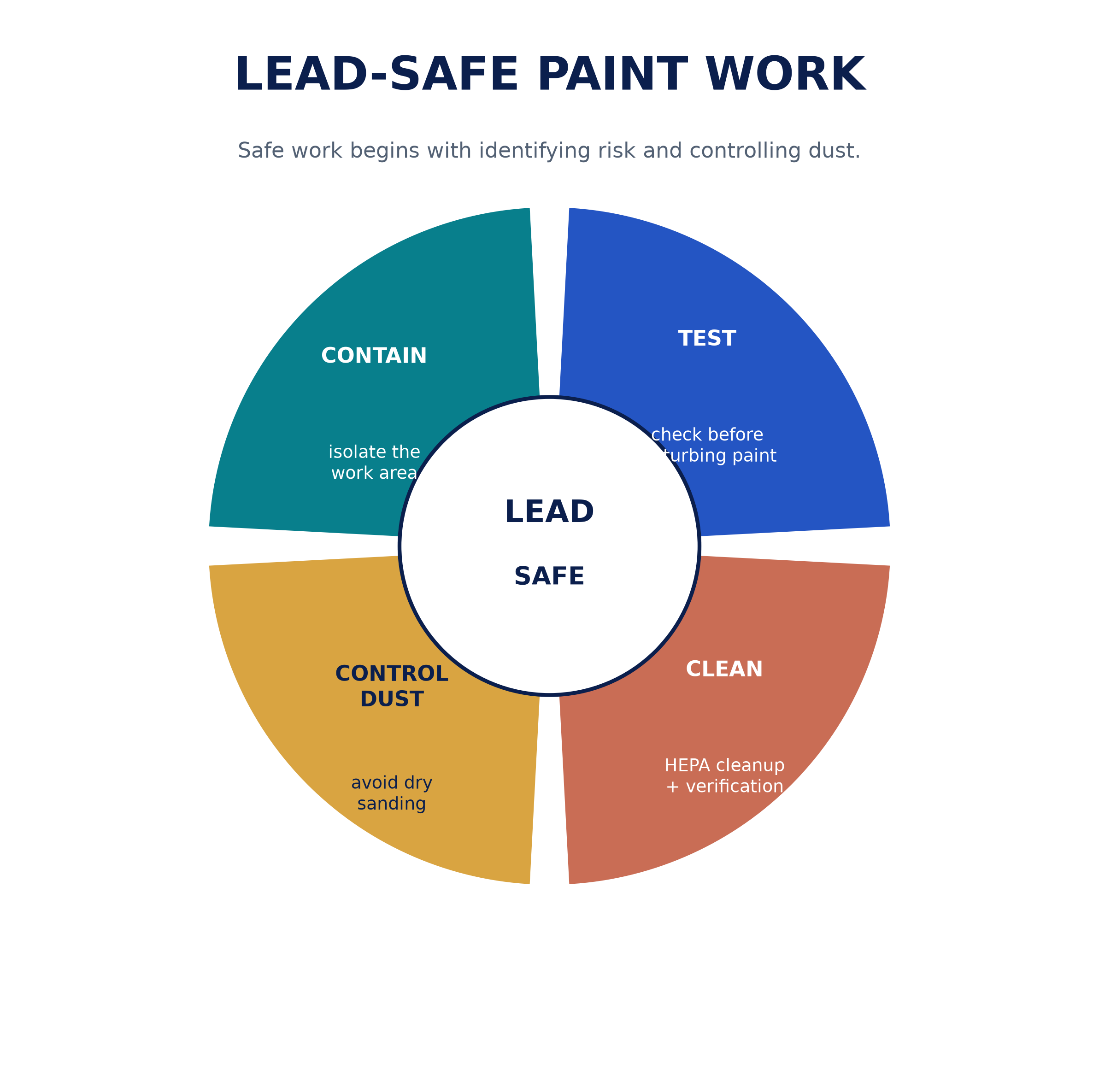
Here is what safe repainting practices look like in the field:
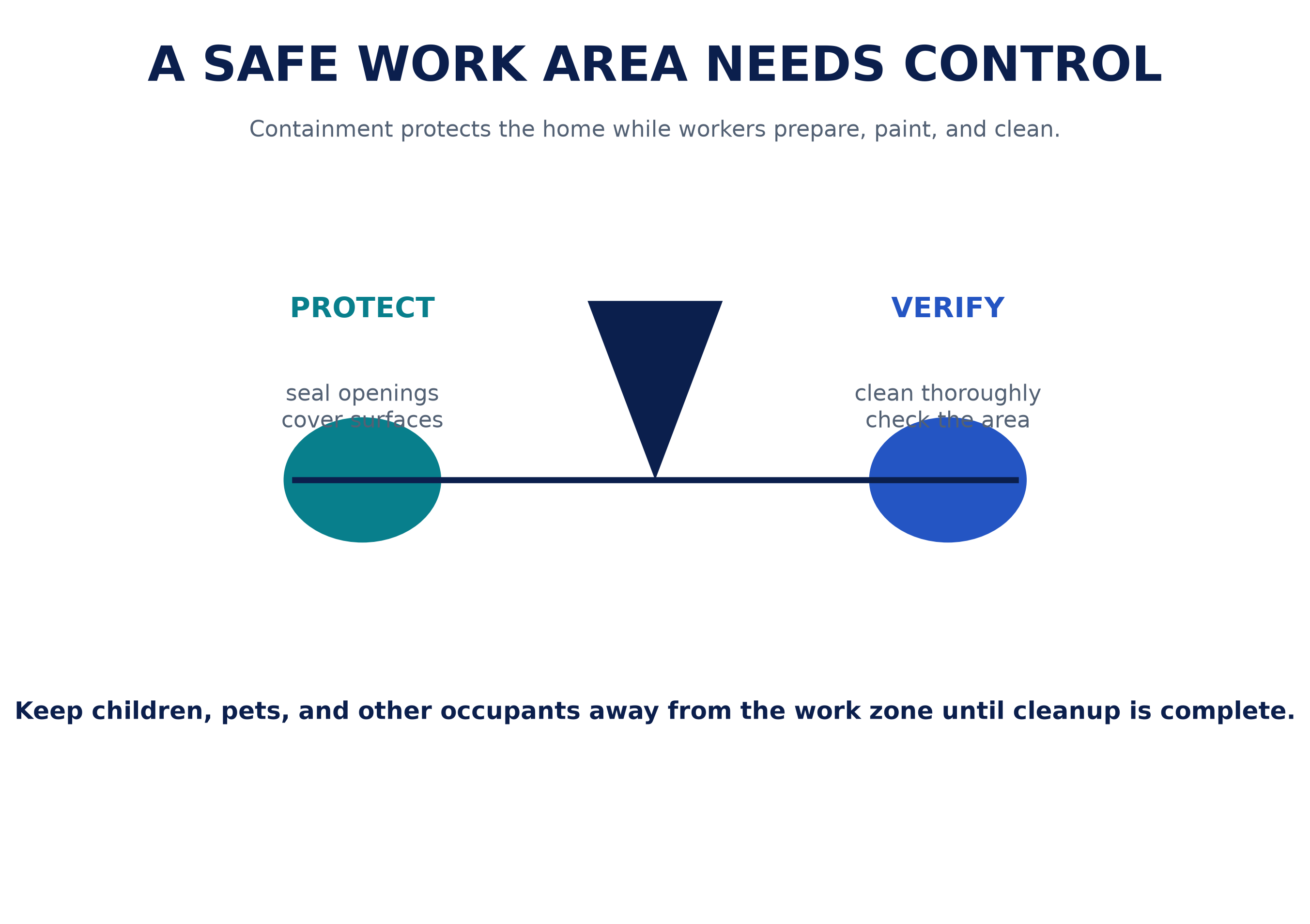
- Contain the work area with plastic sheeting so dust cannot spread through the home.
- Skip dry sanding entirely, using wet methods and dustless sanding to keep particles out of the air.
- Follow lead-safe work practices at every step, from setup to prep to painting.
- Handle containment and cleanup carefully, sealing and disposing of debris the right way.
- Finish with HEPA vacuuming and wet wiping so no fine dust is left behind.
That process is not optional for a certified crew; it is the standard. It is what makes repainting an older home genuinely safe for the people living there.
RRP-Safe Repainting vs. Lead Abatement
One honest distinction saves confusion later. Lead abatement vs. RRP are not the same thing: abatement is a separate specialty focused on permanently removing or sealing lead as its own project, while RRP covers safe repainting and renovation. Most homeowners repainting a house with lead paint need the RRP path, not full abatement.
The RRP approach protects you during ordinary projects like repainting walls, windows, and friction surfaces and trim, where disturbance is the concern. Full abatement is a bigger, specialized undertaking handled by dedicated abatement contractors. Knowing which one you need keeps expectations and budgets realistic.
As professional lead-safe painters who are EPA RRP certified, licensed and insured, we handle safe repainting the right way and will tell you honestly if a job calls for an abatement specialist instead. That starts with a free assessment before any prep begins. Request a free estimate and we will map out a safe plan for your home.
Frequently Asked Questions
Does a pre-1978 home always have lead paint?
Not always, but it is common enough that you should assume it is possible until testing confirms otherwise. Older homes are more likely to have original lead layers on trim, windows, and doors.
Is lead paint dangerous if it is in good condition?
Intact, well-maintained paint is generally low-risk. The hazard comes when paint deteriorates or is disturbed during work, which releases lead dust and chips.
How do I find out if my home has lead paint?
Professional lead paint testing or a risk assessment is the reliable way, since DIY kits can miss lead below the surface. Assume it is present in a pre-1978 home until testing says otherwise.
Can I just paint over lead paint myself?
Sealing sound paint through encapsulation is a real option, but the prep must be done without dry sanding or scraping. Because that dust is the main danger, most homeowners are safer hiring a certified crew.
What should I never do to old paint?
Never dry-sand, power-sand, or torch old paint, and do not scrape it dry. Those methods create the exact hazardous dust that safe practices are designed to prevent.
Is RRP repainting the same as lead abatement?
No. RRP covers lead-safe repainting and renovation, while abatement is a separate specialty for permanently removing or sealing lead. Many repaint projects only need the RRP approach.